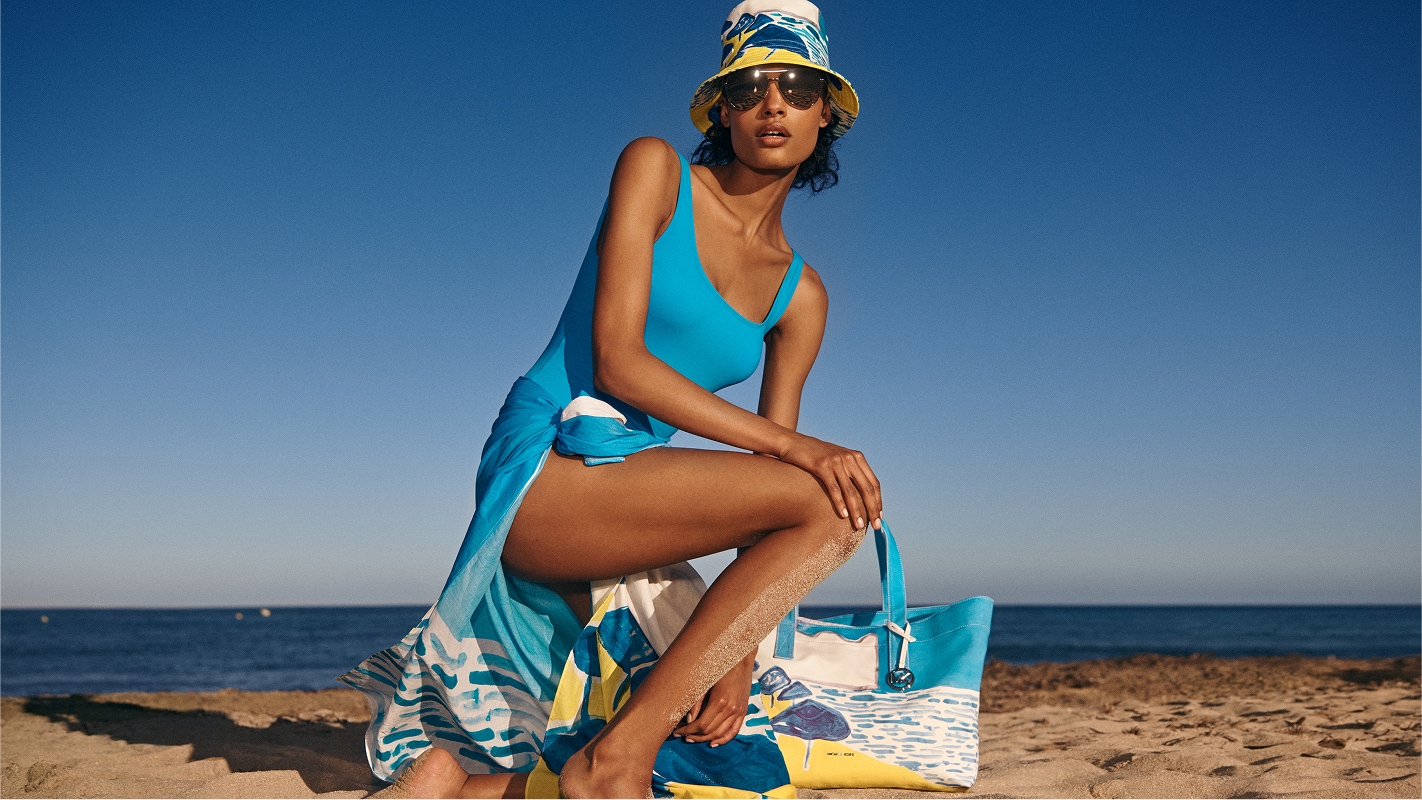
Women's Designer Clothing
207 Items Products
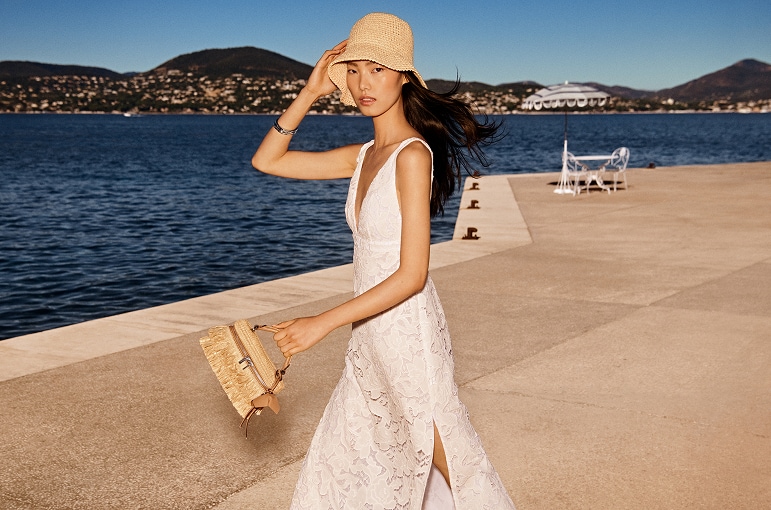
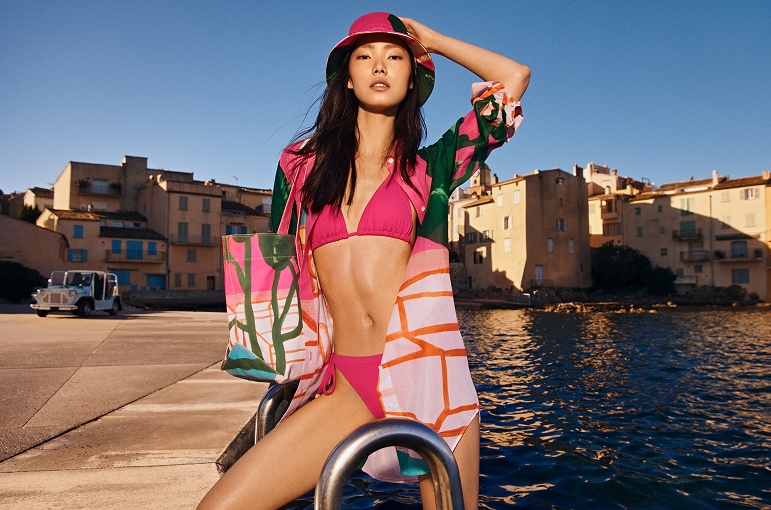
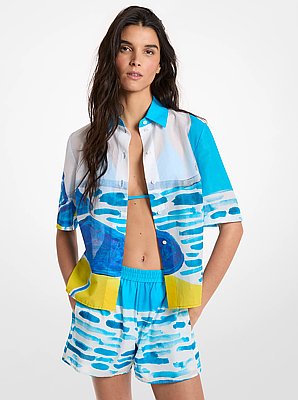
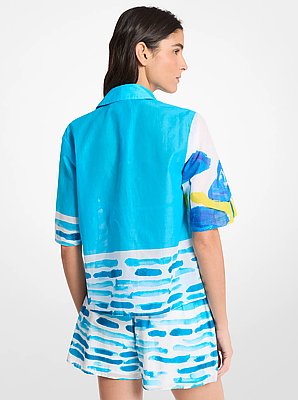
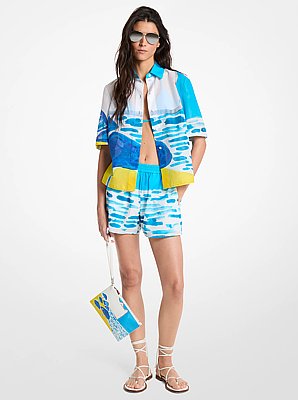
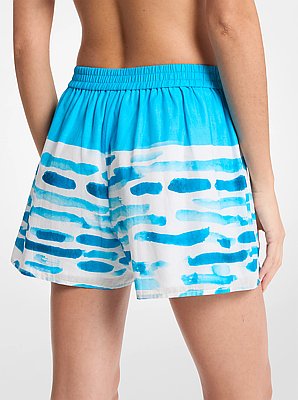
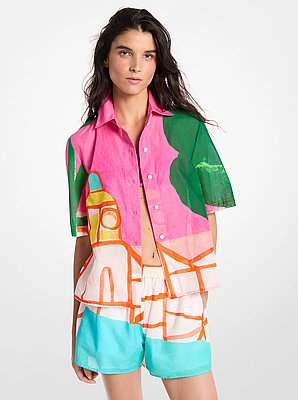
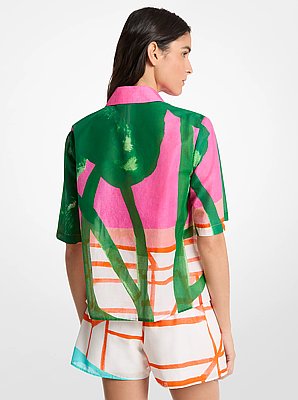
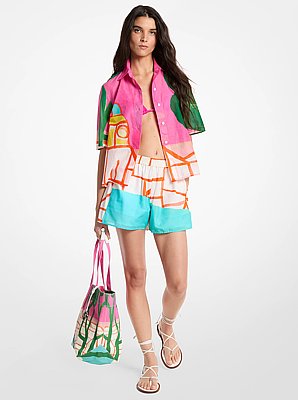
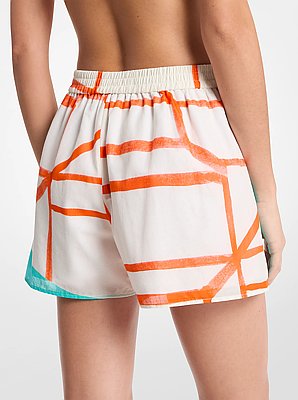
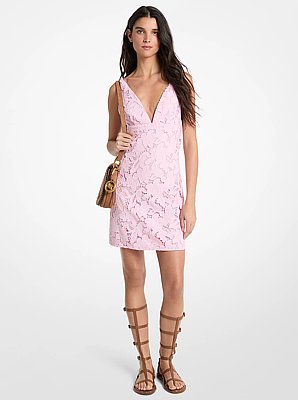
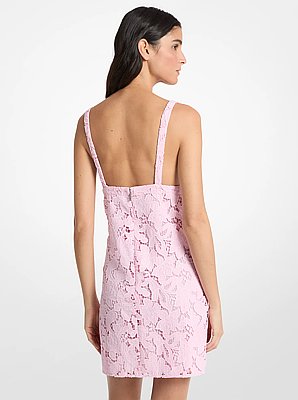
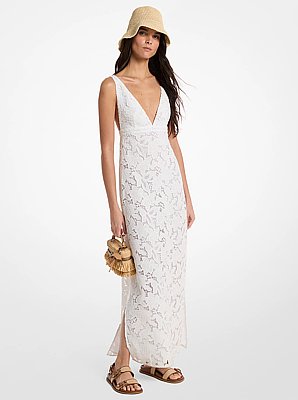
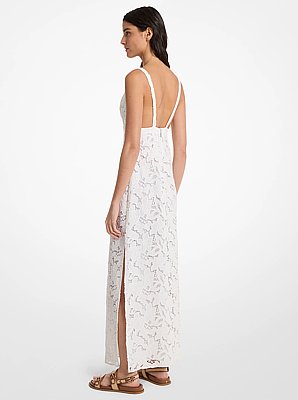


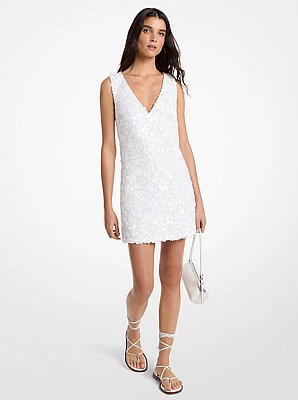
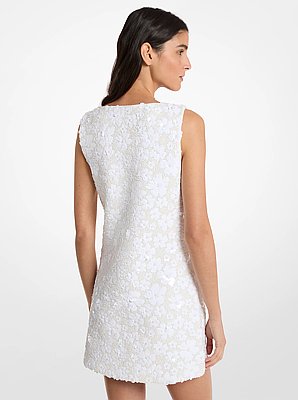
Floral Embellished Scuba Mini Dress
Was $399.50 Now $173.40 to Now $399.50

EXTRA 25% OFF, PRICES AS MARKED
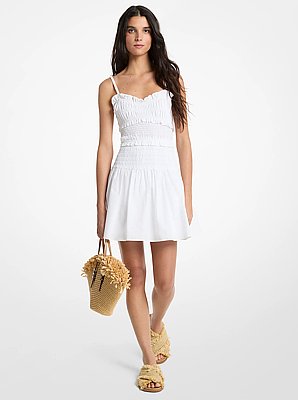
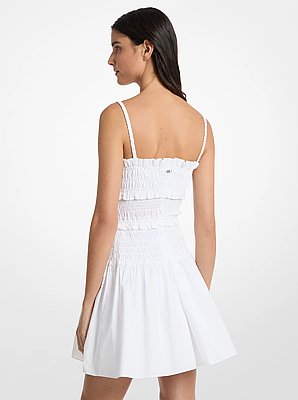
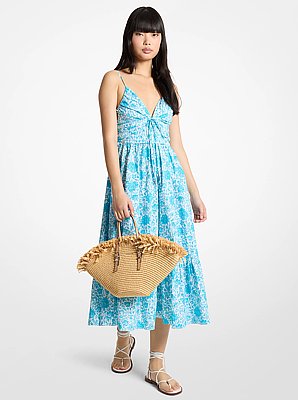
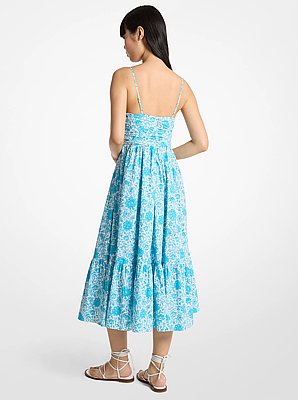


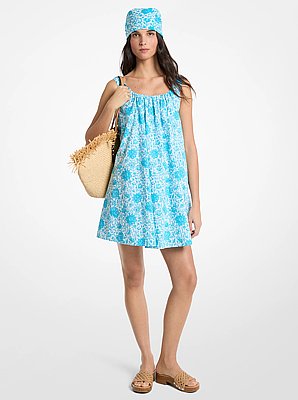
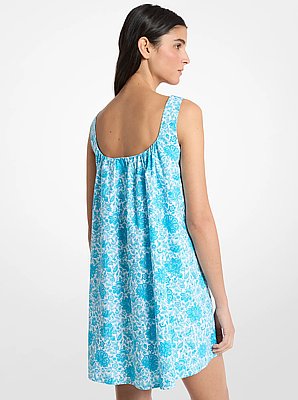
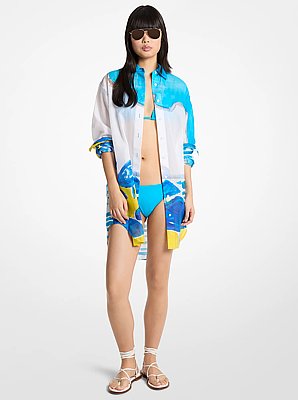
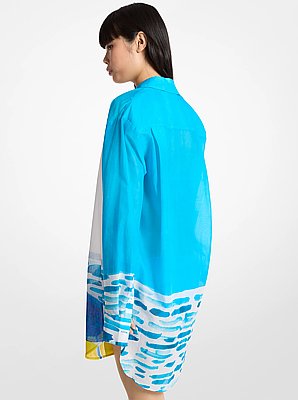
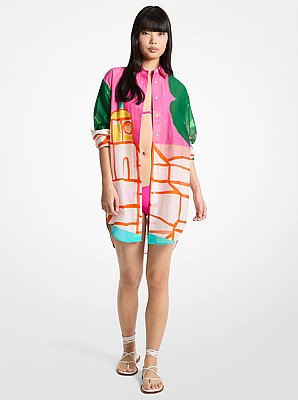

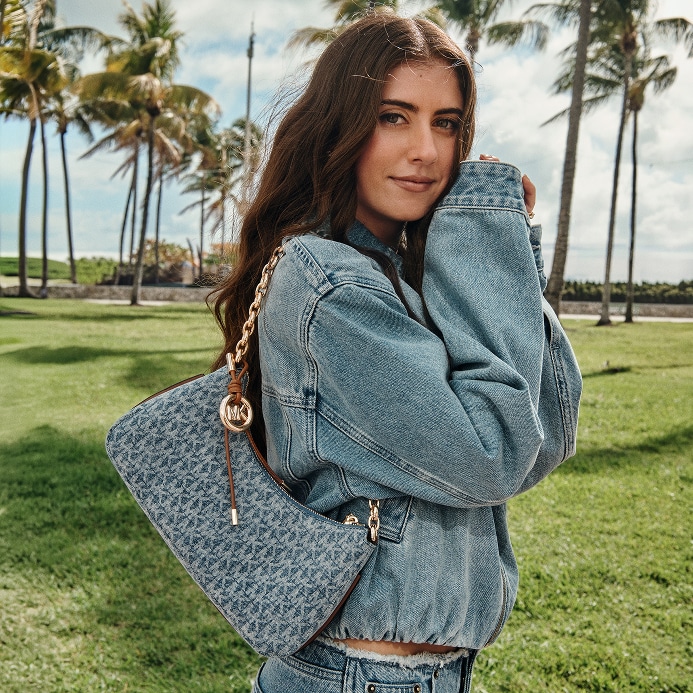
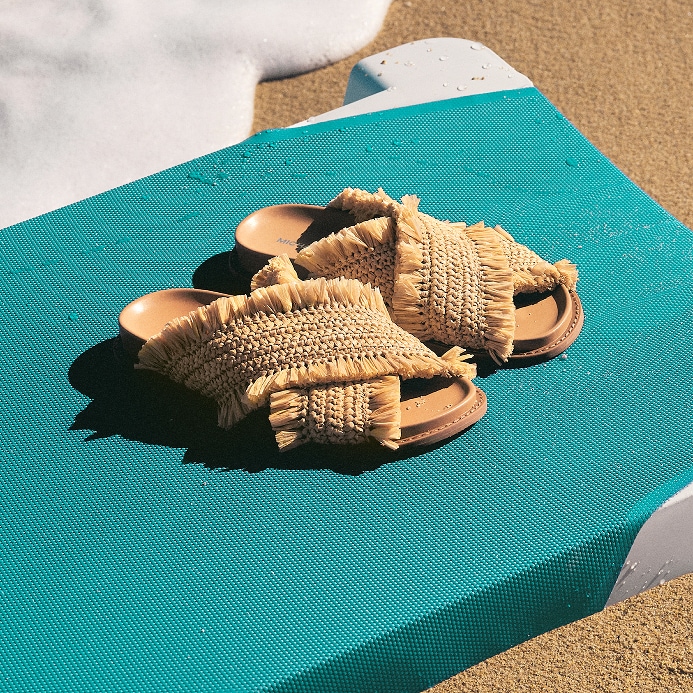
Women’s Clothing for Versatile Wardrobes and Daily Styling
Women’s clothing includes a wide range of apparel designed to support different settings, from work to casual outings and travel. This category covers essential pieces such as tailored garments, relaxed silhouettes, and layering options that adapt to changing needs. Shoppers can refine outfit selections by exploring categories like dresses, tops, and sweaters for specific styles. Materials vary from lightweight fabrics to structured knits, offering flexibility in both comfort and appearance. Clothing collections are designed to balance function, fit, and adaptability across different environments.
- Designed For Work, Travel, And Casual Wear
- Includes Structured and Relaxed Silhouettes
- Crafted From Lightweight and Layering Fabrics
- Supports Versatile Outfit Combinations
Key Features of Women’s Apparel and Fabric Choices
Women’s apparel is defined by material selection, construction, and fit, which all contribute to comfort and long-term wear. Common fabrics include cotton, wool blends, and synthetic fibers that offer breathability, insulation, or stretch depending on the garment type. Within the broader women’s clothing category, design features such as tailored seams, adjustable elements, and layered construction enhance usability. Knitwear provides warmth and flexibility, while woven fabrics offer structure and a more polished appearance. Understanding fabric properties helps guide decisions based on climate and intended use.
- Cotton Provides Breathability and Comfort
- Wool Blends Offer Warmth and Insulation
- Stretch Fabrics Improve Mobility and Fit
- Woven Materials Add Structure and Shape
How To Choose the Right Women’s Clothing for Different Needs
Choosing women’s clothing depends on factors such as climate, occasion, and preferred fit. Lightweight tops and dresses are suitable for warmer conditions, while sweaters and layered pieces provide insulation in cooler environments. Fit plays a key role, with tailored options offering structure and relaxed fits allowing ease of movement. Considering fabric weight, care requirements, and layering potential can improve long-term usability. Selecting neutral and complementary colors helps create cohesive outfits across multiple pieces.
- Lightweight Fabrics Suit Warmer Conditions
- Layered Pieces Provide Added Insulation
- Tailored Fits Offer Structure and Shape
- Relaxed Fits Allow Ease of Movement
FAQs
What types of women’s clothing are essential for a versatile wardrobe?
How do dresses, tops, and sweaters differ in use?
Dresses, tops, and sweaters serve different roles within women’s clothing. Dresses offer a complete outfit in a single garment, making them suitable for both casual and formal settings depending on design. Tops are versatile layering pieces that pair with skirts, pants, or denim. Sweaters are designed primarily for warmth and layering, often made from knit materials that provide insulation. Each category supports different styling needs and seasonal use.
What fabrics are best for women’s clothing in different climates?
Fabric choice in women’s clothing depends on climate and intended use. Lightweight materials such as cotton and breathable blends are ideal for warmer weather, as they allow airflow and reduce heat retention. Wool and heavier knits provide insulation in colder temperatures, helping retain body heat. Synthetic blends can add stretch and durability, making garments suitable for active or extended wear. Selecting the right fabric improves comfort and performance in varying conditions.
How should women’s clothing be cared for to maintain quality?
Caring for women’s clothing involves following fabric-specific cleaning and storage practices. Cotton and synthetic blends are often machine washable, while wool and delicate fabrics may require gentle cycles or hand washing. Avoiding high heat during drying helps preserve fabric integrity and prevent shrinkage. Proper storage, such as folding knits and hanging structured garments, maintains shape and reduces wear. Regular care extends the lifespan and appearance of clothing.
How can women’s clothing be styled for multiple occasions?
Styling women’s clothing for multiple occasions involves selecting versatile pieces that can be easily adjusted with layering or accessories. A dress can transition from day to evening with added layers, while tops can shift from casual to professional when paired with tailored pieces. Sweaters can be layered over shirts or dresses for added warmth and dimension. Choosing adaptable silhouettes and neutral tones allows for consistent styling across different environments.