Women's Ankle Boots
20 Items Products
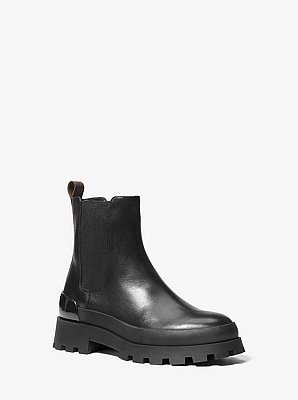
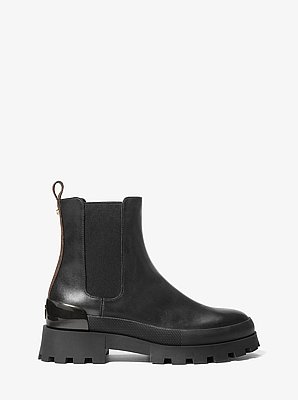
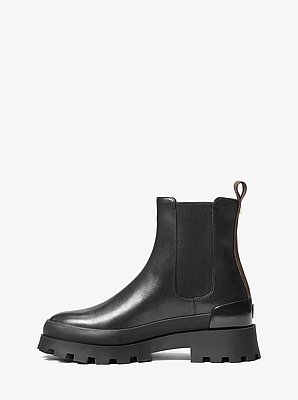
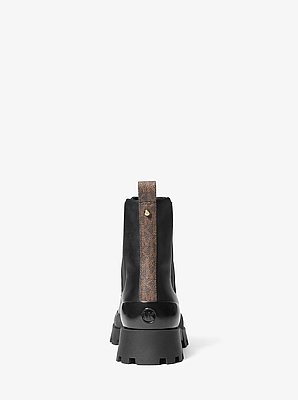
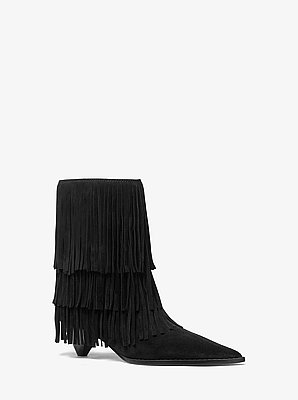
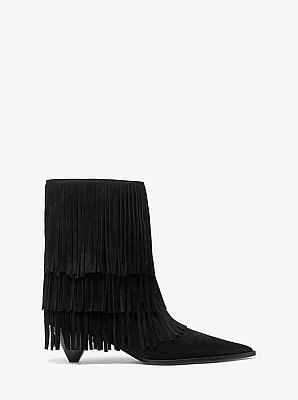
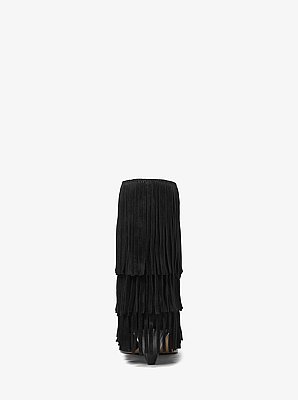
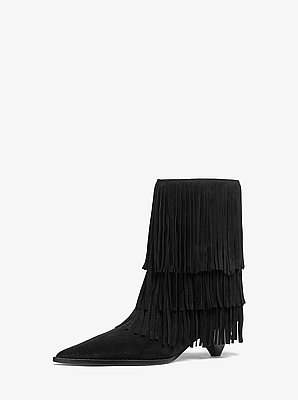
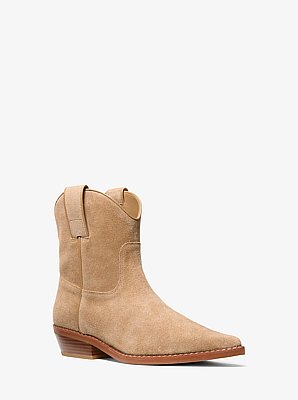
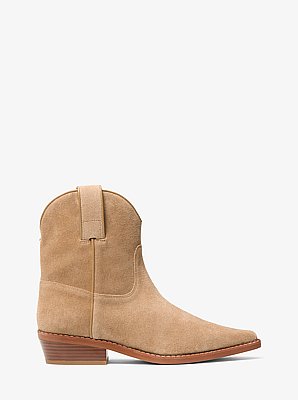
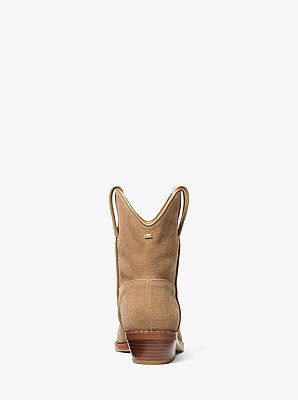
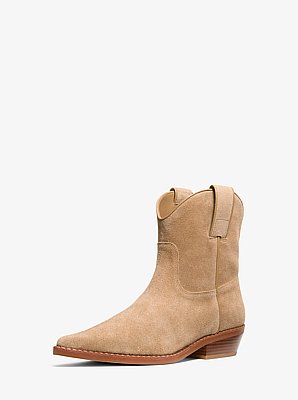
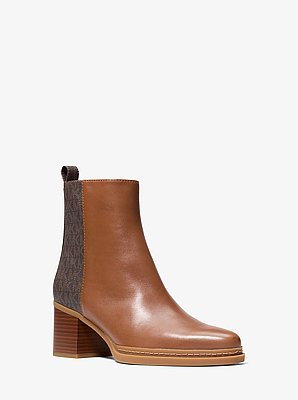
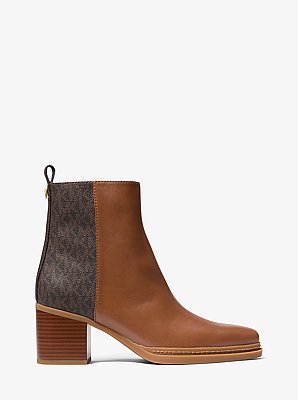
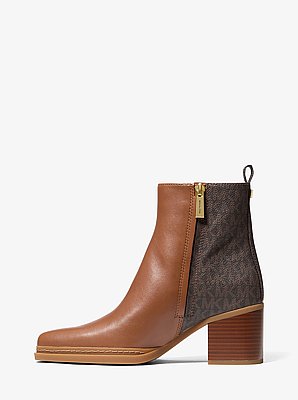
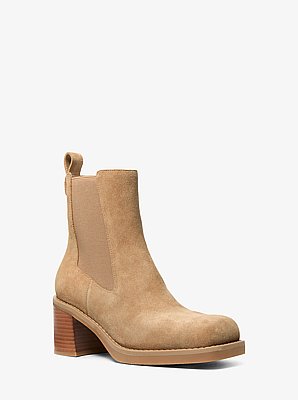
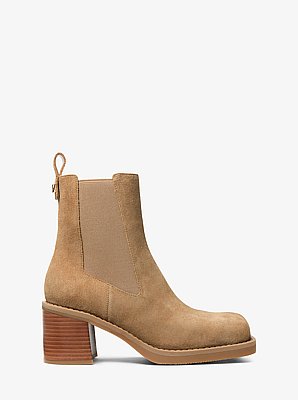
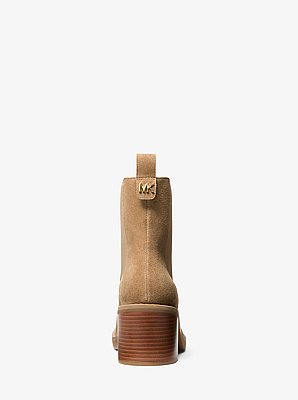
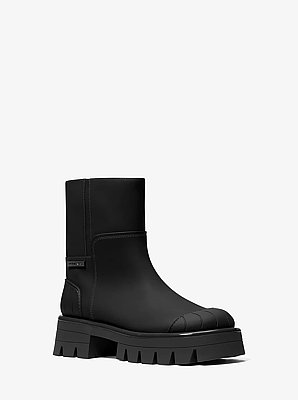
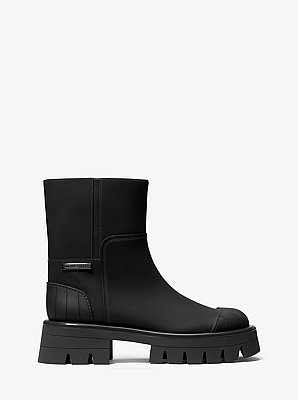
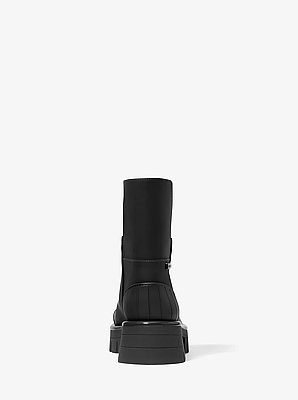
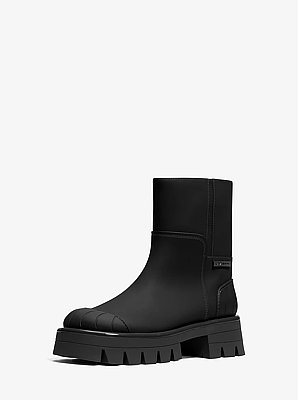


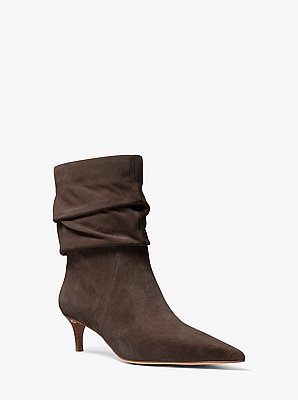
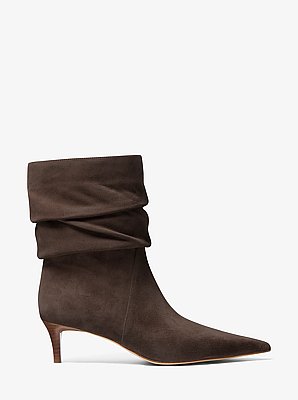
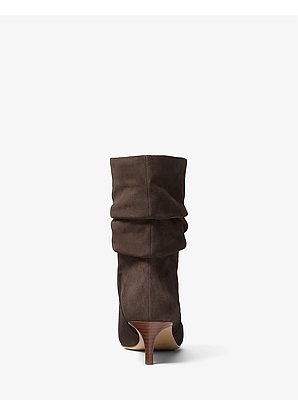

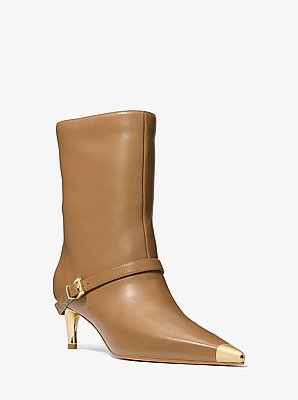
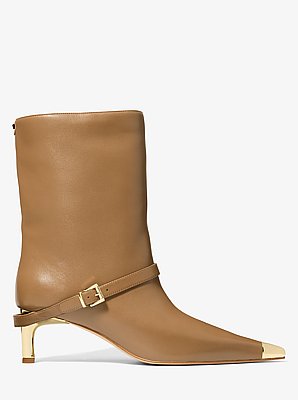
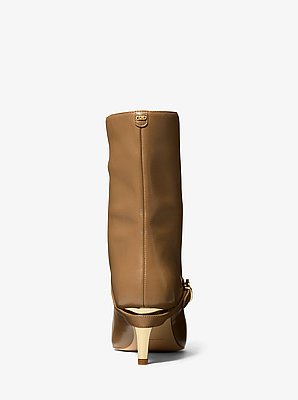

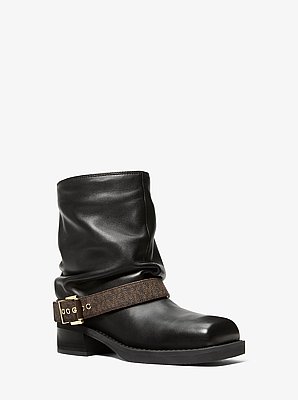
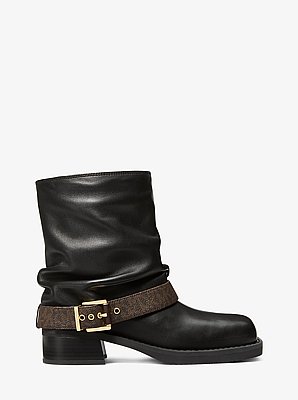
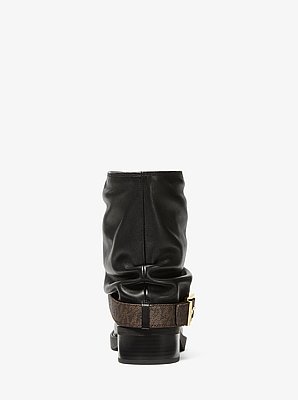
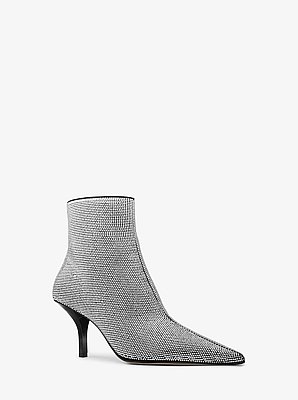
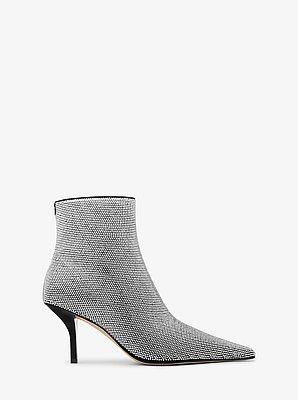
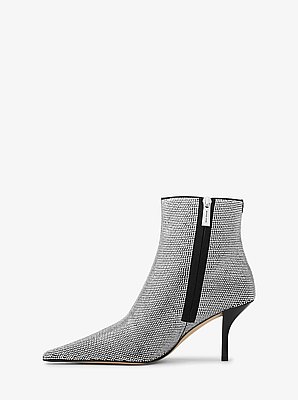
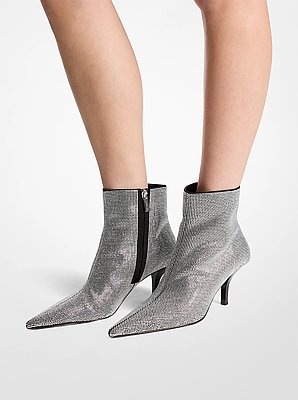
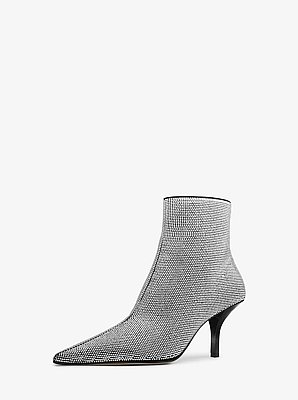
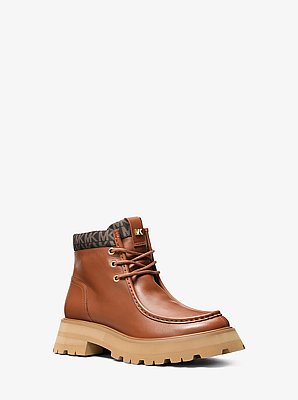
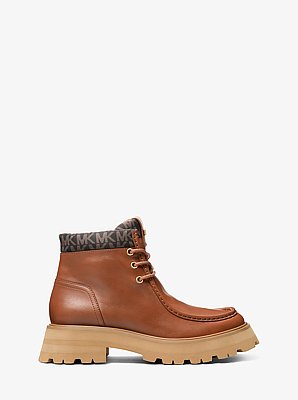
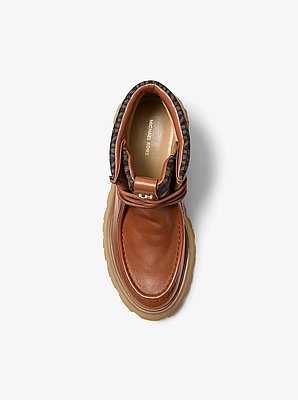
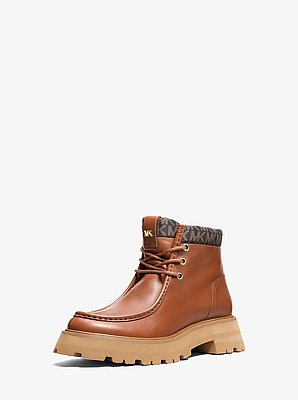
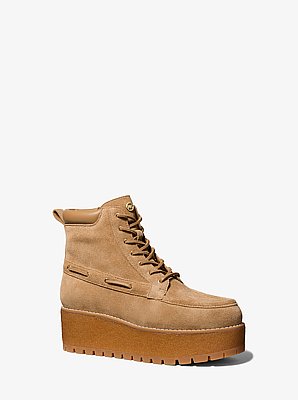
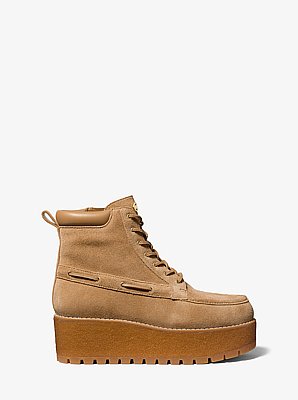
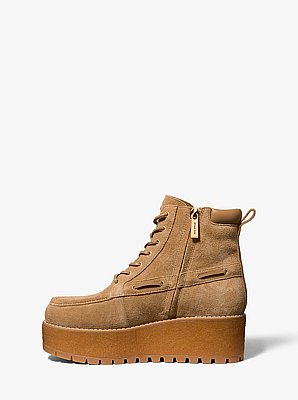
Women’s Ankle Boots for Versatile Styling and Daily Wear
Women’s ankle boots are a foundational footwear category designed for both function and style across a range of settings. This category includes slip-on silhouettes, structured designs, and low-heel options that support movement throughout the day. Materials such as suede and leather are commonly used, offering durability along with a refined finish that pairs well with casual and tailored outfits. Shoppers can complement footwear selections with pieces from women’s handbags and women’s accessories to complete a cohesive look. Ankle boots are defined by their below-the-calf height, making them adaptable for multiple outfit combinations.
- Designed For Both Casual and Structured Outfits
- Crafted From Suede, Leather, And Mixed Materials
- Includes Slip-On and Pull-On Constructions
- Suitable For Day-To-Night Wear Transitions
Key Features of Ankle Boots and Construction Details
Ankle boots are built with features that support comfort, stability, and long-term wear. Common elements include rubber soles for traction, stacked heels for balance, and lined interiors that enhance comfort during extended use. Square toe shapes and low heel heights, such as approximately 1.5 inches, provide a stable walking experience while maintaining a modern silhouette. Within the broader women’s shoes category, ankle boots stand out for combining structure with ease of wear. Construction details like slip-on entry and buckle accents can add both function and visual interest.
- Rubber Soles Provide Traction and Durability
- Stacked Heels Support Balance and Stability
- Lined Interiors Improve Comfort During Wear
- Square Toe Shapes Offer a Structured Fit
How To Choose the Right Ankle Boots for Fit and Use
Choosing the right ankle boots depends on factors such as intended use, preferred heel height, and material selection. Low-heel ankle boots are ideal for extended wear, including commuting or travel, while structured styles can suit office settings or more formal outfits. Suede offers a softer, textured finish, while leather provides a more polished and resilient surface. Evaluating fit around the ankle and ease of entry, such as slip-on versus zip styles, can improve overall comfort. Selecting neutral tones can increase versatility across multiple outfits.
- Low Heels Support Extended Daily Wear
- Suede Provides a Softer, Textured Finish
- Leather Offers Durability and Structure
- Slip-On Styles Allow Easy Entry and Removal
FAQs
What ankle boots work well for both office wear and weekend outfits?
Ankle boots that transition between office wear and weekend outfits typically feature clean silhouettes, neutral tones, and practical heel heights. Low stacked heels and structured shapes pair well with tailored pants or skirts for work settings, while also complementing denim or casual dresses. Materials like leather offer a polished finish, while suede introduces a softer texture for relaxed styling. Minimal hardware and simple toe shapes help maintain versatility across different outfit types. Choosing a balanced design ensures consistent use across multiple settings.
Which ankle boots are best for travel, packable, comfortable, and versatile?
Ankle boots designed for travel focus on lightweight construction, flexibility, and comfort during extended wear. Soft leather or suede materials are easier to pack while maintaining shape, and low heels provide stability for walking. Rubber soles improve traction across different surfaces, including airports and city streets. Slip-on or pull-on styles simplify wear during transit and reduce time spent adjusting closures. Neutral colors and adaptable designs allow one pair to work with multiple outfits, supporting efficient packing.
What materials are commonly used in ankle boots?
Ankle boots are commonly made from materials such as leather, suede, and synthetic alternatives, each offering distinct benefits. Leather provides durability, structure, and resistance to wear, making it suitable for frequent use. Suede offers a softer texture and a more relaxed appearance, often used for casual or transitional styling. Synthetic materials can provide lightweight flexibility and easier maintenance. The choice of material affects comfort, longevity, and overall appearance, so selecting based on intended use is important.
How should ankle boots be cleaned and maintained?
Cleaning ankle boots depends on the material and construction. Leather styles can be wiped with a damp cloth and conditioned periodically to maintain flexibility and prevent cracking. Suede requires a specialized brush to remove dirt and restore texture without damaging the surface. Avoid excessive moisture, as it can affect both structure and finish. Storing ankle boots in a cool, dry place and using inserts to maintain shape can help extend lifespan and preserve appearance.
What heel height is best for daily wear ankle boots?
Heel height plays a key role in comfort and usability for daily wear ankle boots. Low heels, typically around one to two inches, provide stability and reduce strain during extended periods of walking or standing. Flat soles may offer additional comfort but can lack the structured support some users prefer. Mid-height heels can add elevation while maintaining balance, depending on construction. Selecting a heel height that aligns with daily activity levels helps ensure long-term comfort and wearability.