
Women's Designer Shoes
264 Items Products

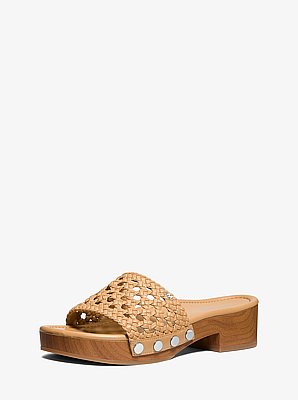


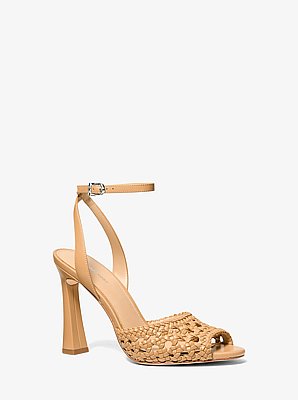
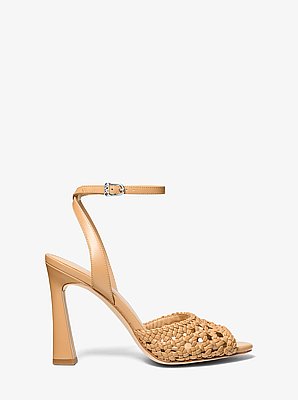
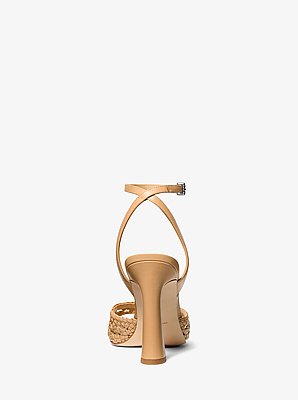
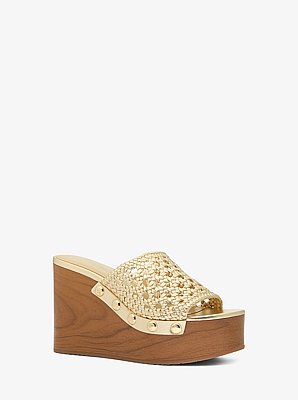
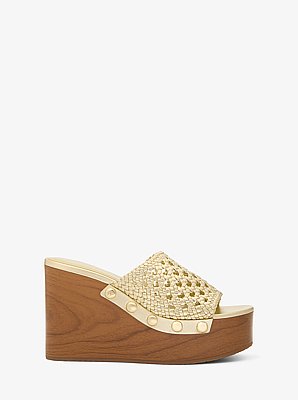
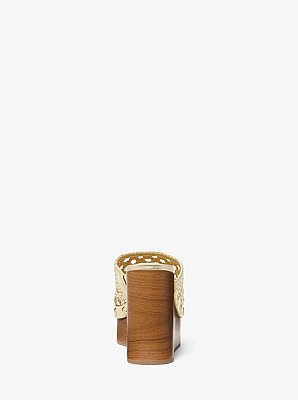
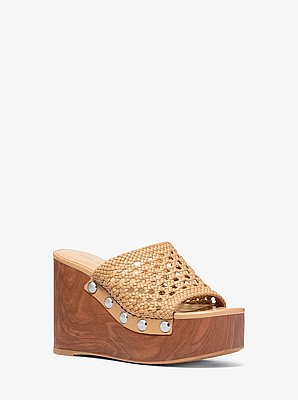
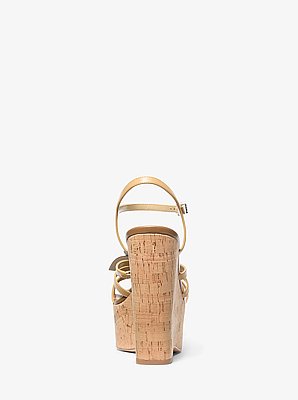

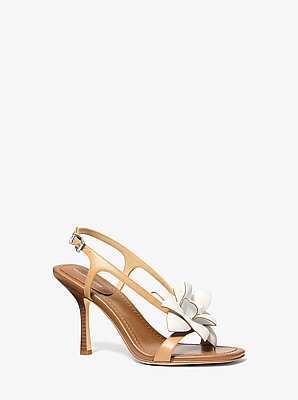
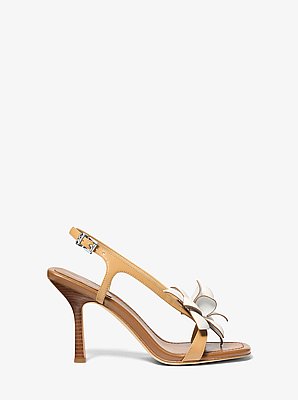
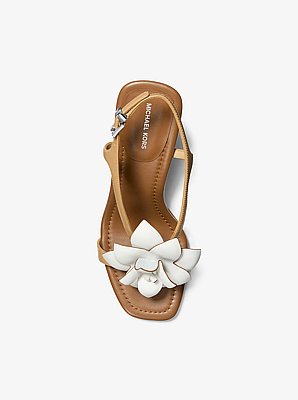

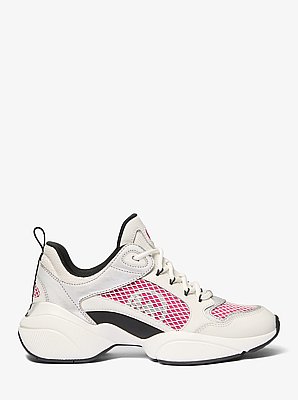
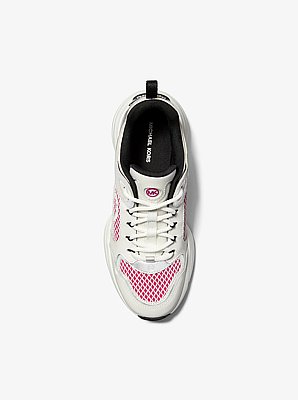
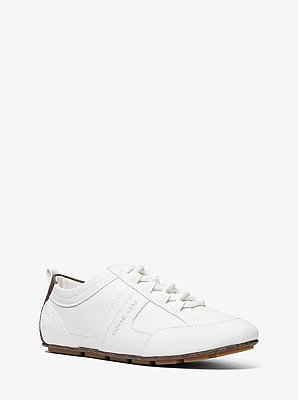
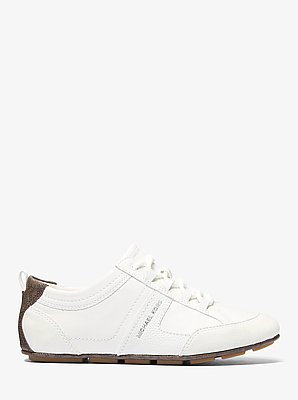
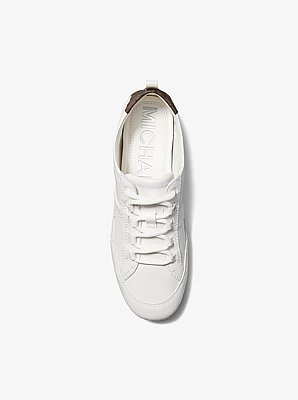
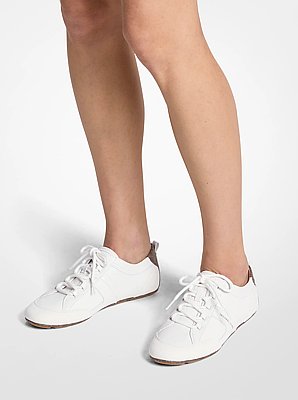
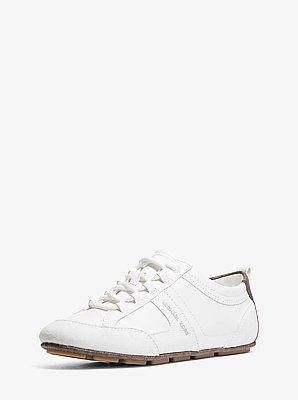
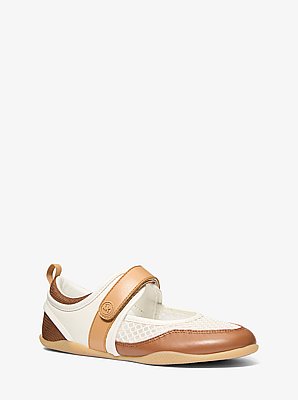
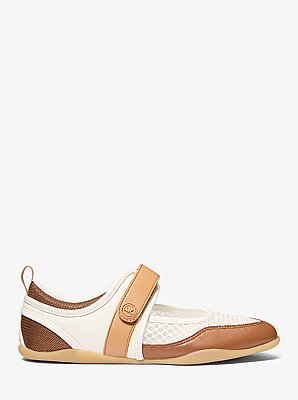
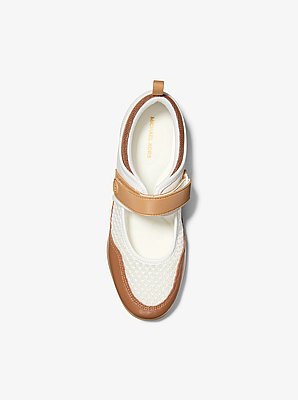




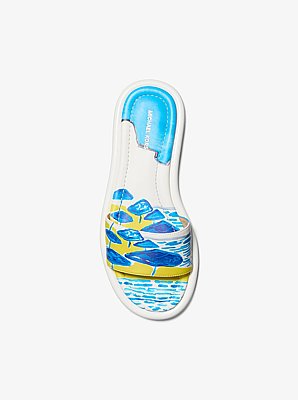


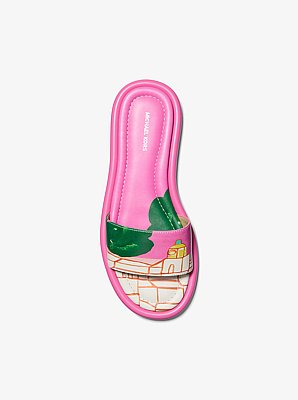

Choosing Women’s Shoes for Comfort, Style, and Daily Wear
Women’s shoes include a wide range of styles designed for comfort, movement, and personal style across different settings. From casual walking to structured office environments, the right footwear supports posture, reduces fatigue, and complements a variety of outfits. Materials such as leather, knit fabrics, and cushioned synthetics influence breathability and durability. Fit, arch support, and sole construction all play a role in long-term wearability. Selecting the right option depends on lifestyle needs, terrain, and daily activity levels.
- Cushioned insoles help reduce foot fatigue
- Breathable materials improve airflow and comfort
- Flexible soles support natural foot movement
- Secure closures enhance stability while walking
Popular Women’s Shoe Styles for Different Needs
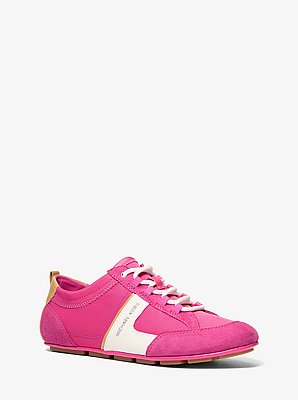
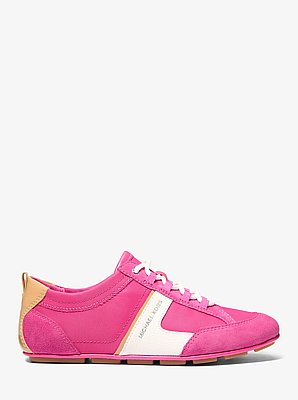
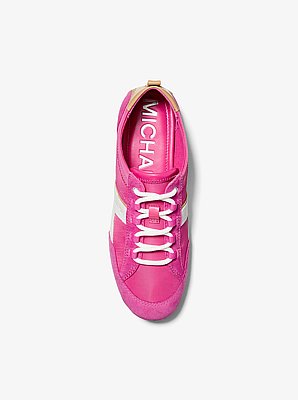
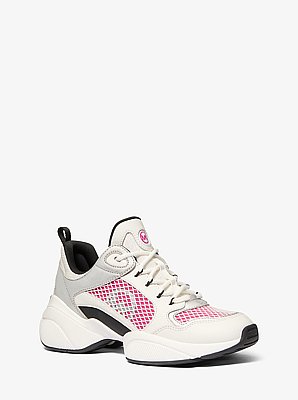
Women’s shoe styles vary from open silhouettes to more structured designs, each suited to different weather conditions and outfit pairings. Warm-weather dressing often calls for sandals, while active routines and daily movement are often better supported by sneakers. Cooler temperatures and added coverage make boots a practical choice for seasonal wear and varied terrain. Heel height, toe shape, and upper construction all influence comfort, stability, and overall styling. Understanding how each option functions can make it easier to choose the right pair for specific routines and settings.
- Open-toe designs increase ventilation in warm weather
- Athletic styles provide shock absorption for walking
- Covered silhouettes offer added protection in cooler conditions
- Low heels support balance during extended wear
What to Look for in Women’s Footwear
When evaluating women’s footwear, construction and comfort features can have a major impact on long-term wear. Interior padding, arch support, and heel stability help reduce strain during extended periods of walking or standing. Outsole grip and tread pattern also matter, especially on smooth pavement, indoor flooring, or uneven ground. Material quality affects breathability, structure, and durability over time. Choosing footwear based on fit, support, and intended use leads to better day-to-day performance.
- Arch support helps maintain proper alignment
- Durable outsoles improve traction and longevity
- Padded interiors increase comfort during long wear
- Lightweight construction helps reduce foot strain
FAQs
Which women’s shoes are recommended for professional workwear and long hours on your feet?
Women’s shoes for professional workwear should balance polished appearance with lasting comfort. Loafers, low block heels, supportive flats, and streamlined leather sneakers are often well suited to office settings and extended hours on foot. Key features include padded insoles, arch support, flexible soles, and stable heel construction. Smooth leather, suede, and structured textiles also help maintain a refined look. A supportive fit with moderate cushioning is usually the best option for long workdays.
Which women’s shoes are best for formal events like weddings and galas?
Women’s shoes for formal events are usually defined by refined shape, elegant materials, and comfortable height. Dress sandals, pointed-toe pumps, heeled mules, and embellished flats are all common choices for weddings and galas. Satin, leather, suede, and metallic finishes often create a more formal appearance. Comfort still matters, especially for long ceremonies or receptions, so cushioned footbeds and secure straps can make a noticeable difference. A balanced heel height is often the most practical choice for extended wear.
Which women’s shoes are best for commuting by foot or public transit?
Women’s shoes for commuting should provide support, flexibility, and dependable traction. Sneakers are often the best choice for long walks and public transit, while supportive flats and low-profile loafers can also work well for shorter routes or office-ready dressing. Breathable materials help manage heat, and cushioned soles reduce impact on hard surfaces. Secure construction is important for busy sidewalks, stairs, and uneven pavement. A lightweight pair with good grip is usually the most reliable option for daily commuting.
How do sneakers compare with flats for daily wear?
Sneakers and flats serve different needs in a daily wardrobe. Sneakers usually offer more cushioning, shock absorption, and arch support, which makes sneakers better suited to long walks, commuting, and extended time on foot. Flats often provide a cleaner, more streamlined appearance for office outfits or casual styling, but flats may offer less support depending on construction. Material, sole thickness, and footbed design all affect comfort. The best choice depends on how much movement, support, and versatility a routine requires.
What materials are best for durable women’s shoes?
Durable women’s shoes are often made from leather, suede, performance textiles, and reinforced synthetic materials. Leather is valued for structure, longevity, and the ability to mold gradually to the foot. Performance mesh and knit materials can improve breathability, especially in sneakers designed for frequent wear. Rubber outsoles help increase traction and resist surface wear over time. The best material depends on the intended use, but strong construction and supportive design are the main factors behind lasting performance.