Women's Shoulder Bags
42 Items Products
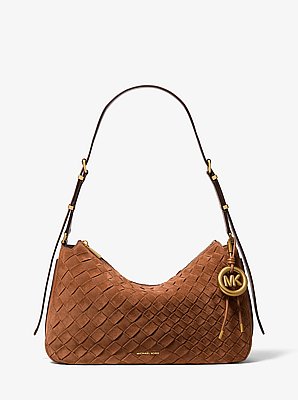
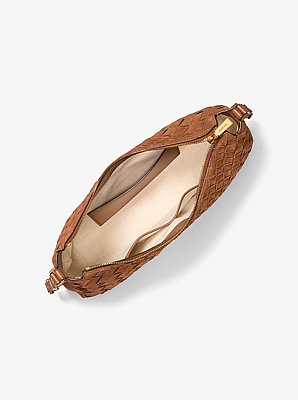
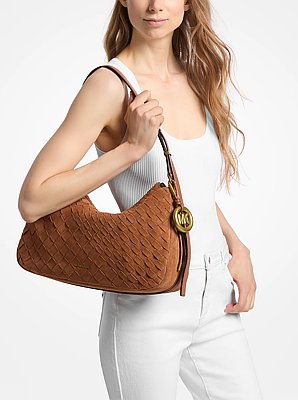
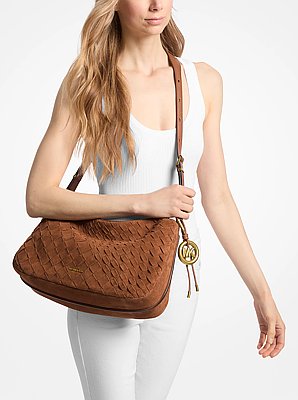


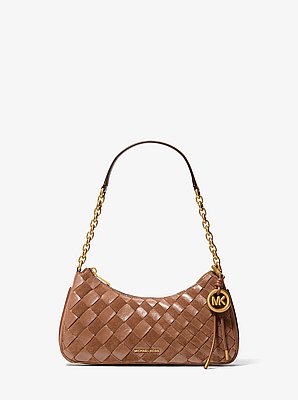
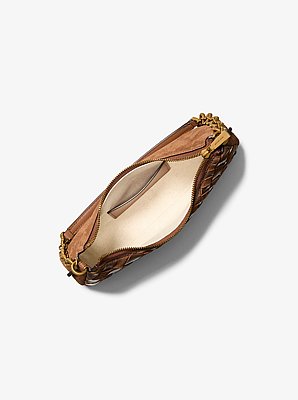
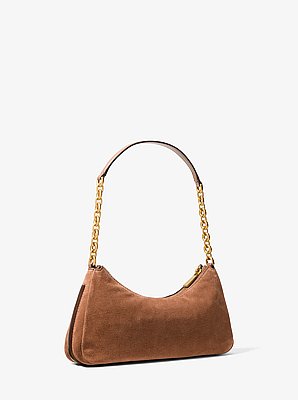
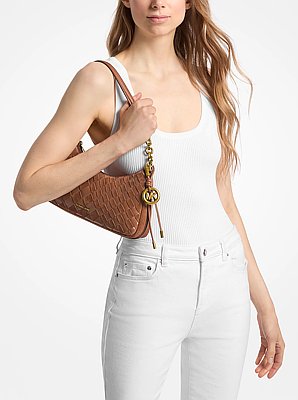
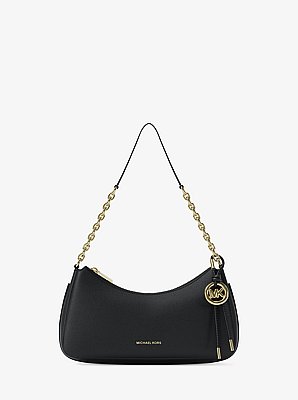
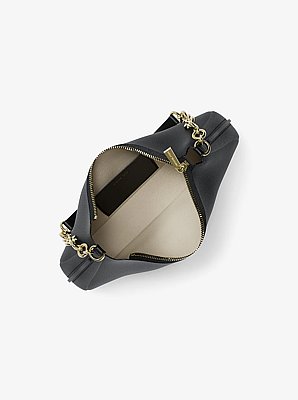
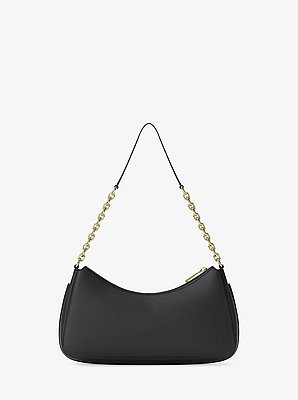
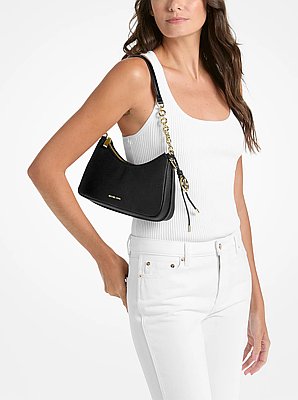
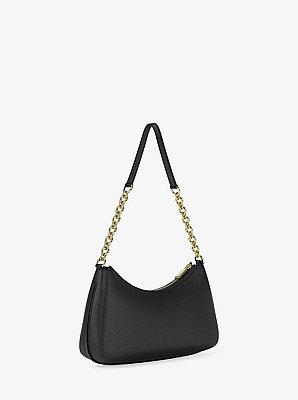
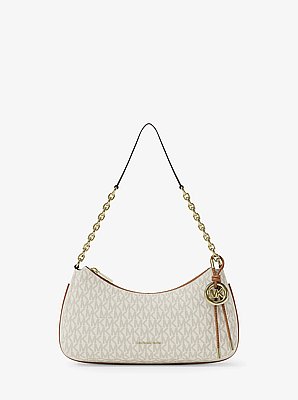
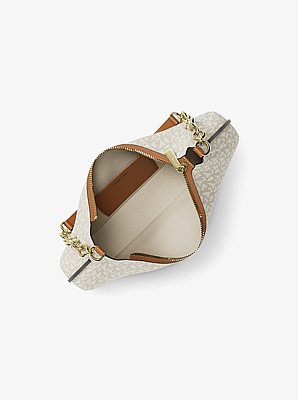
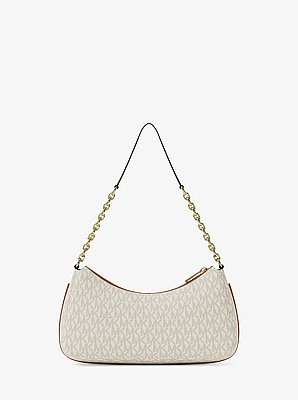
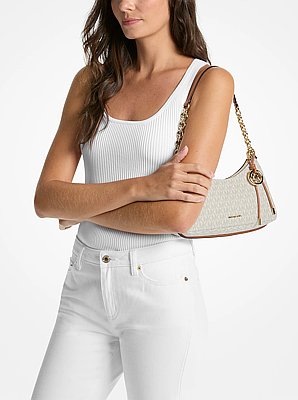
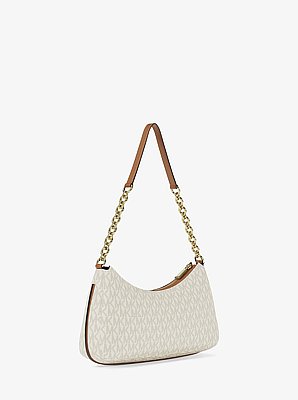


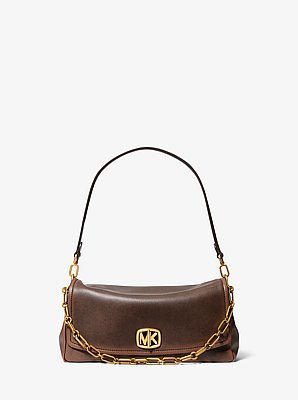
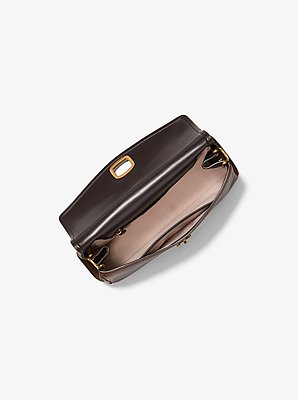
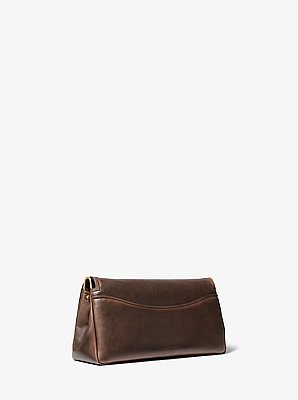
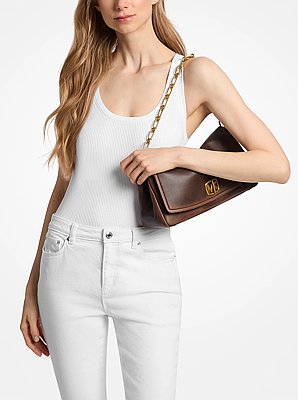
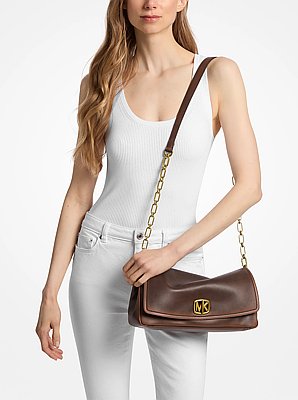
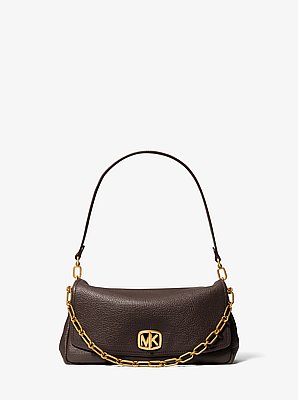
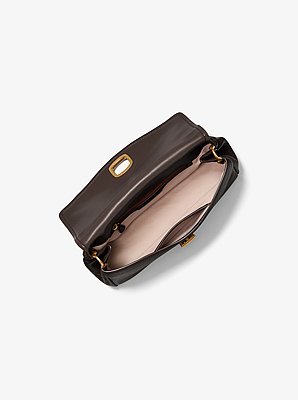
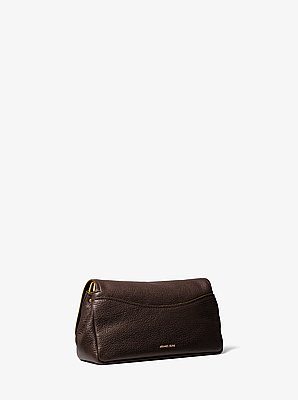
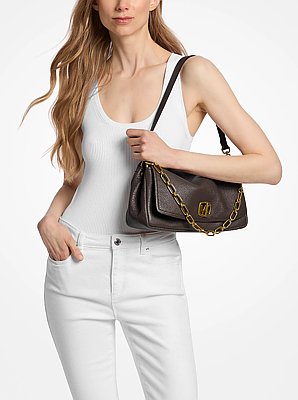


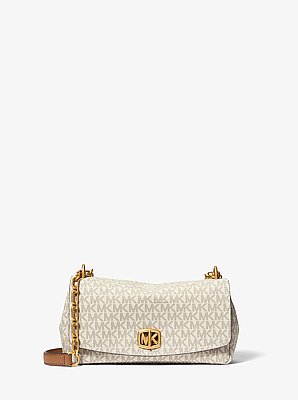
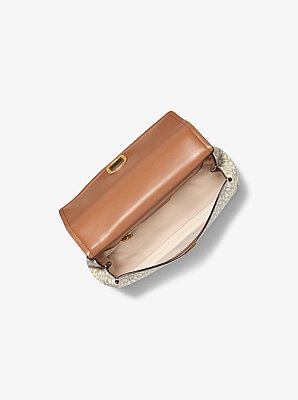
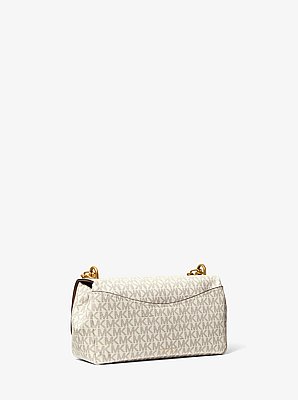
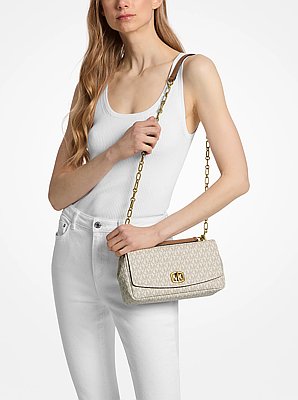
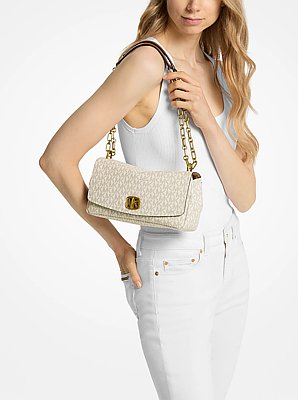
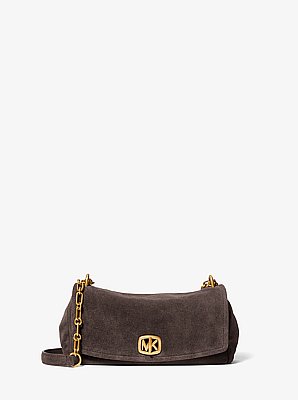
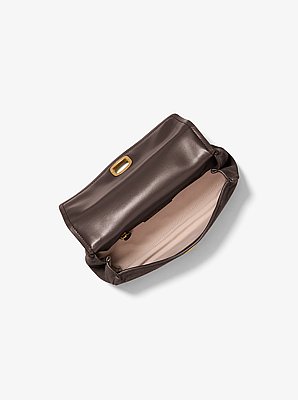
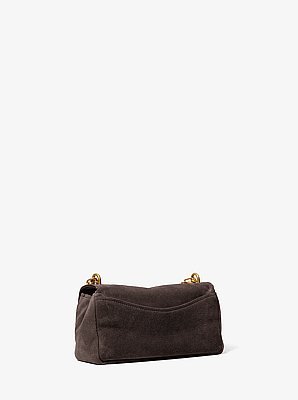
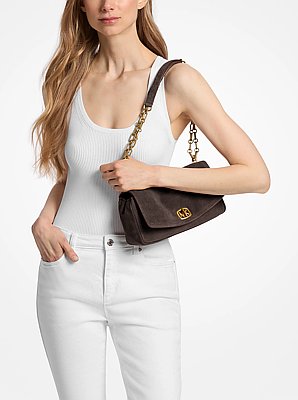
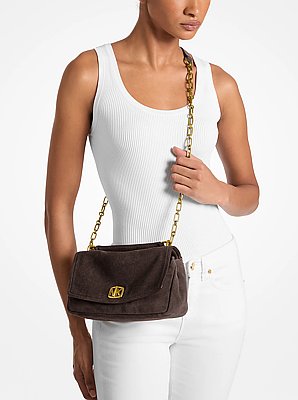
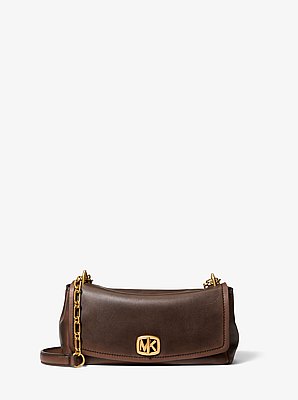
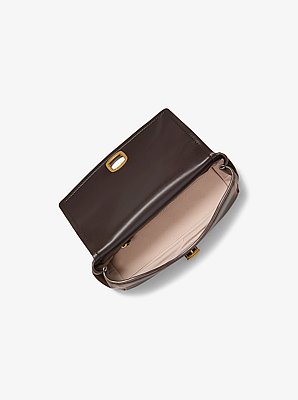
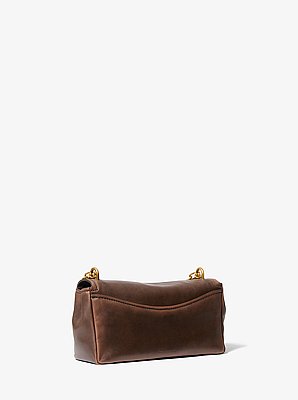
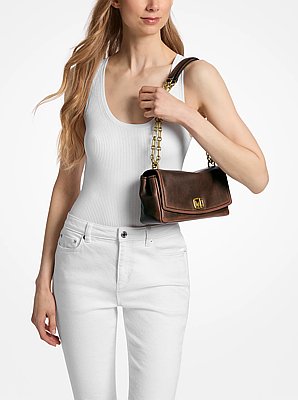
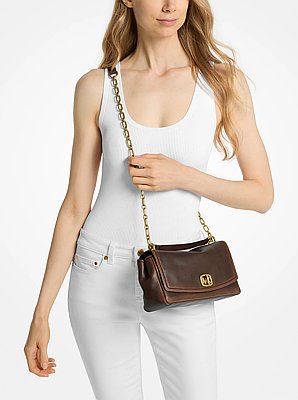
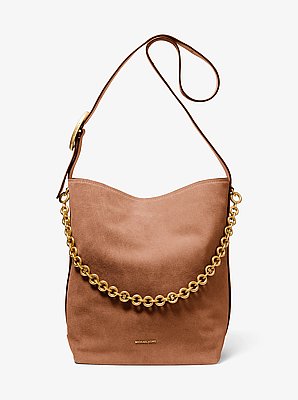
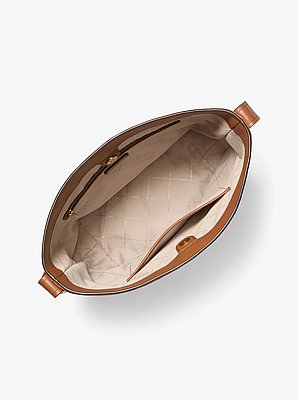
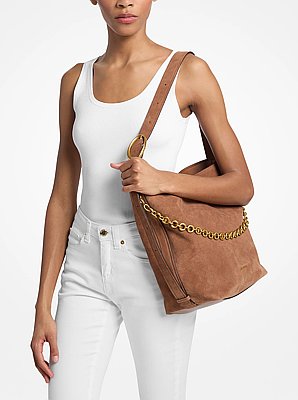
Nolita Large Suede Bucket Tote Bag
Was $359.50 Now $179.40 to Now $359.50 Up to 50% OFF


UP TO 60% OFF. PRICES AS MARKED
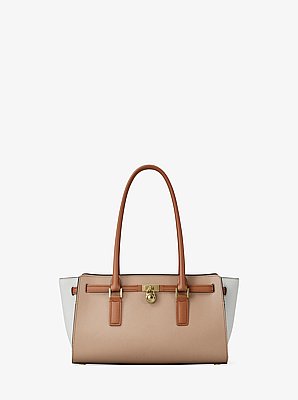
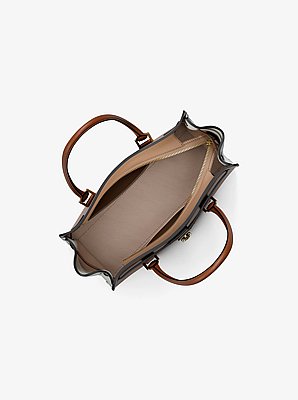
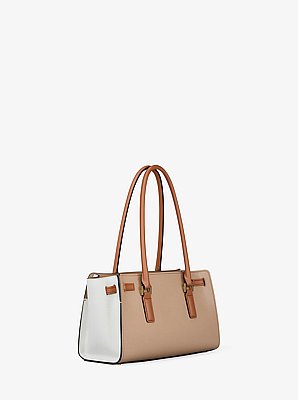


What to Look for in a Shoulder Bag
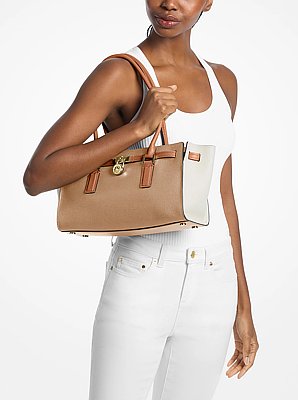
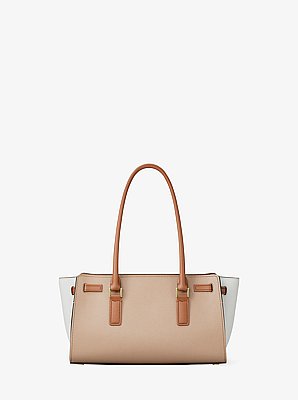
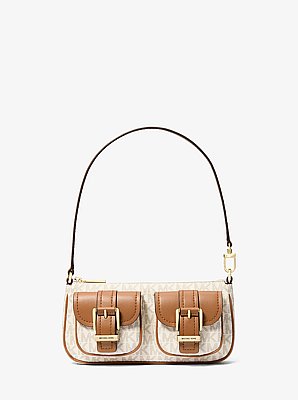
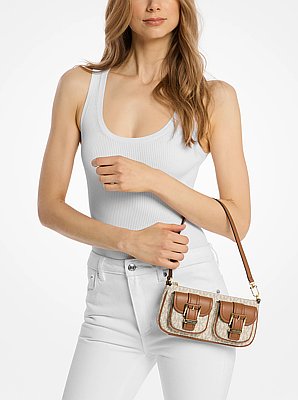
A shoulder bag is built to sit close to the body while keeping essentials within easy reach, spanning structured satchels, soft hobos, and compact pochettes. A medium shoulder bag around 10 to 13 inches wide typically holds a wallet, sunglasses, and a small cosmetics case, while several styles include a detachable strap that converts the bag to a crossbody for hands-free days. This range of shapes within the broader handbag collection makes shoulder bags a practical choice for anyone who wants one style that adapts between a structured office day and a more casual errand run. A closer look at how these styles differ in practice:
- Strap drop of 8–10 inches for shoulder wear vs. 22–24 inches for crossbody wear on convertible styles
- Structured satchel silhouettes that hold their shape when set down vs. soft hobo silhouettes that collapse flat when empty
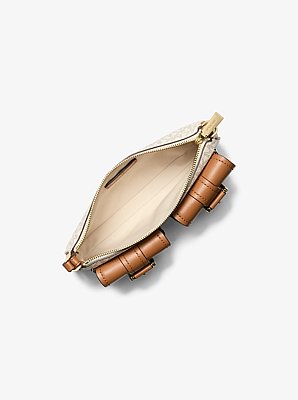
- Interior capacity ranging from compact pochettes (phone, cards, keys) to medium hobos (wallet, sunglasses, cosmetics case)
- Detachable straps that switch a shoulder bag to a crossbody without needing a second bag
Materials That Hold Up to Daily Wear
Material affects how a shoulder bag wears over months of use, not just how it looks on day one. Pebbled leather resists visible scratching and softens over time, making it a dependable pick for daily rotation, while signature logo-print canvas holds its structure and wipes clean easily. Lighter textures like faux shearling or crochet suit occasional, warm-weather wear better than everyday use, since they show wear more quickly under regular handling. A closer look at what actually differs between materials:
- Pebbled leather that resists visible scratching vs. smooth leather that shows scuffs more readily
- Signature logo-print canvas that wipes clean easily vs. suede or crochet requiring more careful handling
- Gold-tone or silver-tone hardware finishes consistent across nearly the full shoulder bag range
- Decorative detailing like studs or whipstitching layered onto, but independent from, the base material’s durability
Choosing a Shoulder Bag for the Way You Actually Carry
The right shoulder bag depends on how it needs to function day to day, not just how it looks. A structured satchel suits office days or errands where a polished look matters, while a soft hobo or pochette works better when comfort of carry outweighs structure. A large hobo, generally 14 inches or wider, can double as a light overnight bag in a pinch, though anyone traveling more than one night is better served by a dedicated option from duffle and travel bags, which offer compartments a hobo doesn’t. A closer look at how to build a working rotation:
- Structured satchels for office days or errands that call for a polished look
- Soft hobos or pochettes for casual outings where comfort of carry outweighs structure
- Detachable-strap styles for switching between shoulder and crossbody without owning two bags
- Neutral leather tones that pair with a wider range of outfits than seasonal textures like straw or crochet
FAQs
What’s the difference between a hobo bag and a satchel?
A hobo bag has a soft, slouchy silhouette that collapses somewhat when not fully packed, while a satchel holds a defined shape even when empty, often with a top handle in addition to a strap. Michael Kors offers both formats, so the choice usually comes down to whether a softer, casual look or a structured, polished one fits the occasion.
Can a shoulder bag be worn as a crossbody?
A shoulder bag can be worn crossbody if the strap extends to at least 22–24 inches, though dedicated crossbody bags come with that length as standard. Several convertible shoulder bags with a detachable or adjustable strap are built specifically to switch between both carry options without buying a second bag.
How do I know what size shoulder bag I need?
A compact pochette under 8 inches wide suits a phone, cards, and keys, while a medium bag around 10–13 inches fits a wallet, sunglasses, and a small cosmetics case, and a large hobo over 14 inches handles bulkier daily items or light overnight essentials. Checking listed dimensions against a typical daily carry load is the most reliable way to choose.