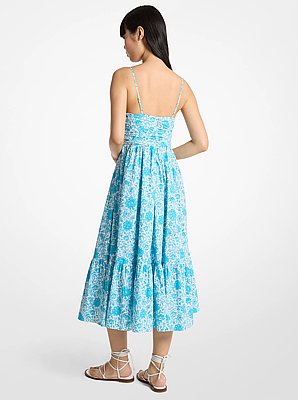
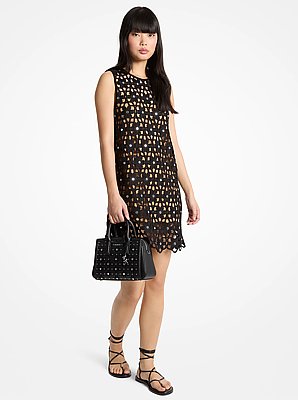
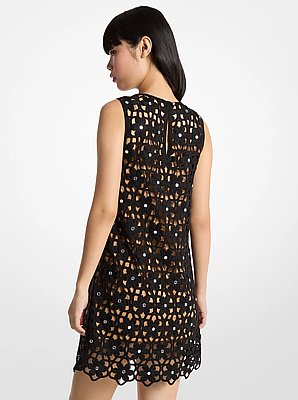
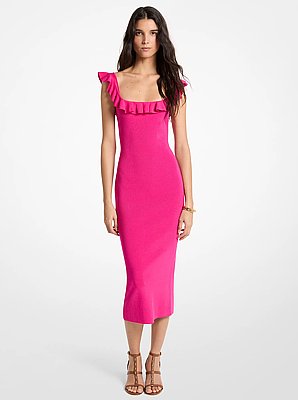
Best Dressed
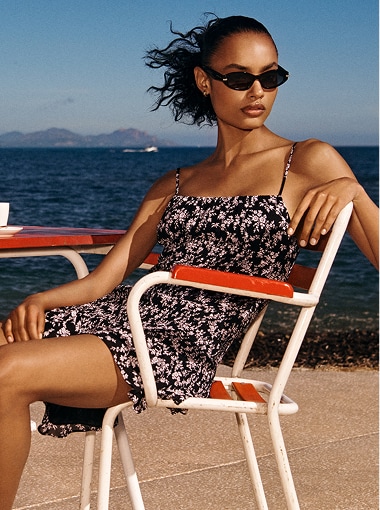
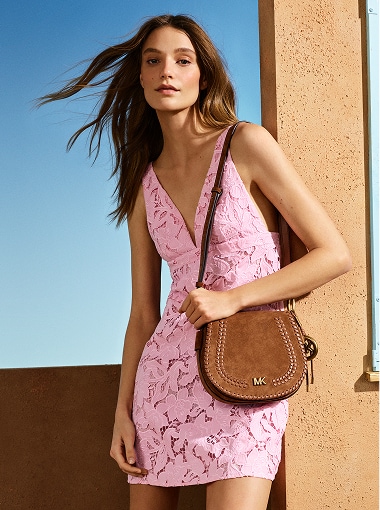
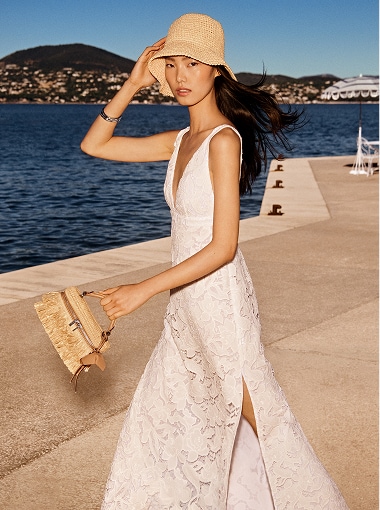
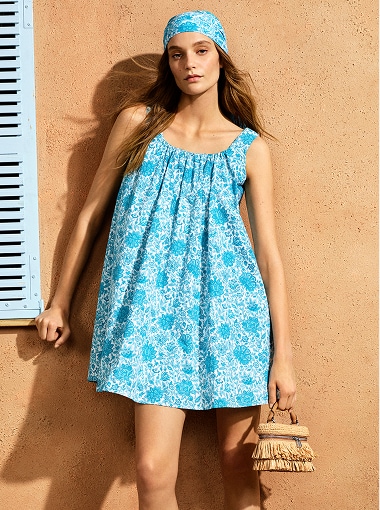
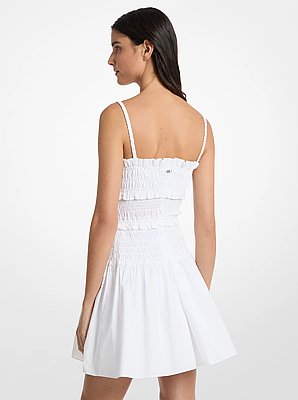
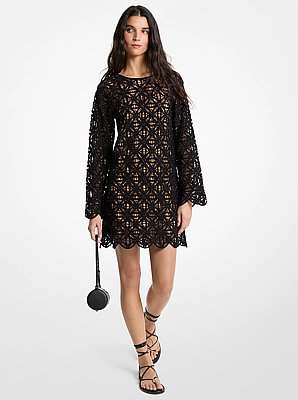
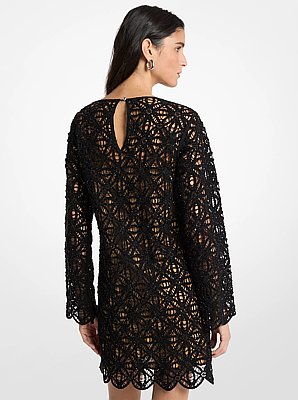
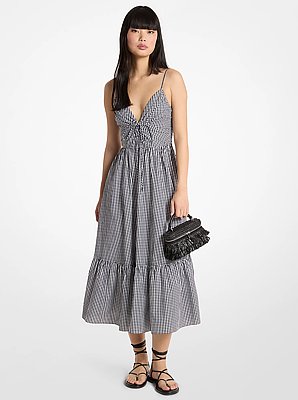
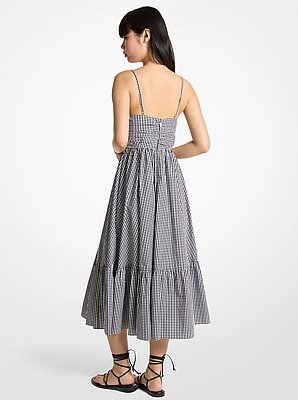
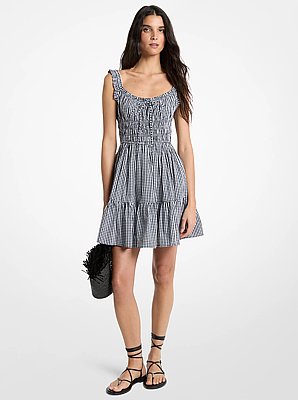
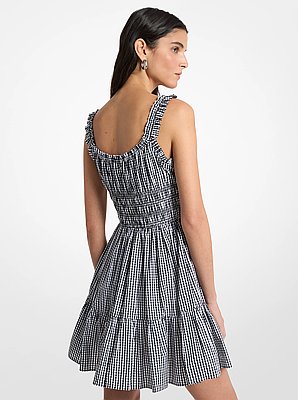
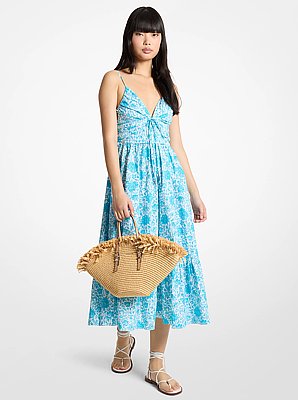
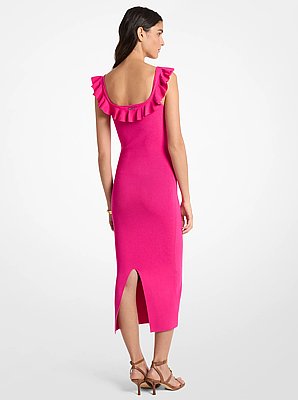
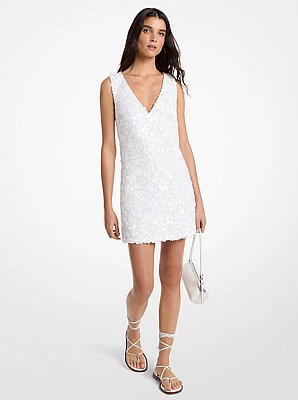
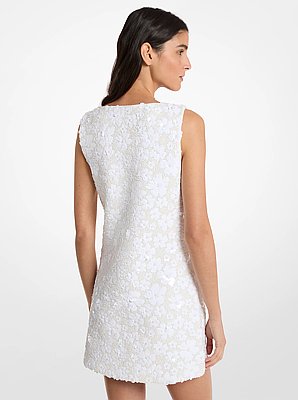
Standout silhouettes for every summer RSVP.
71 Items Products
Was $475 Now $203.40 to Now $475
EXTRA 25% OFF, PRICES AS MARKED
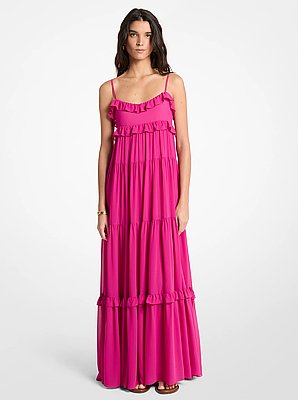
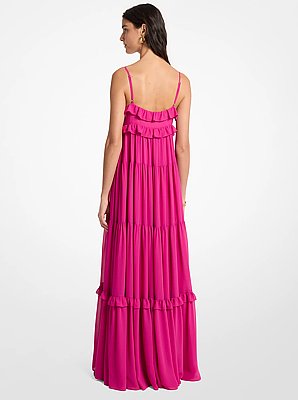
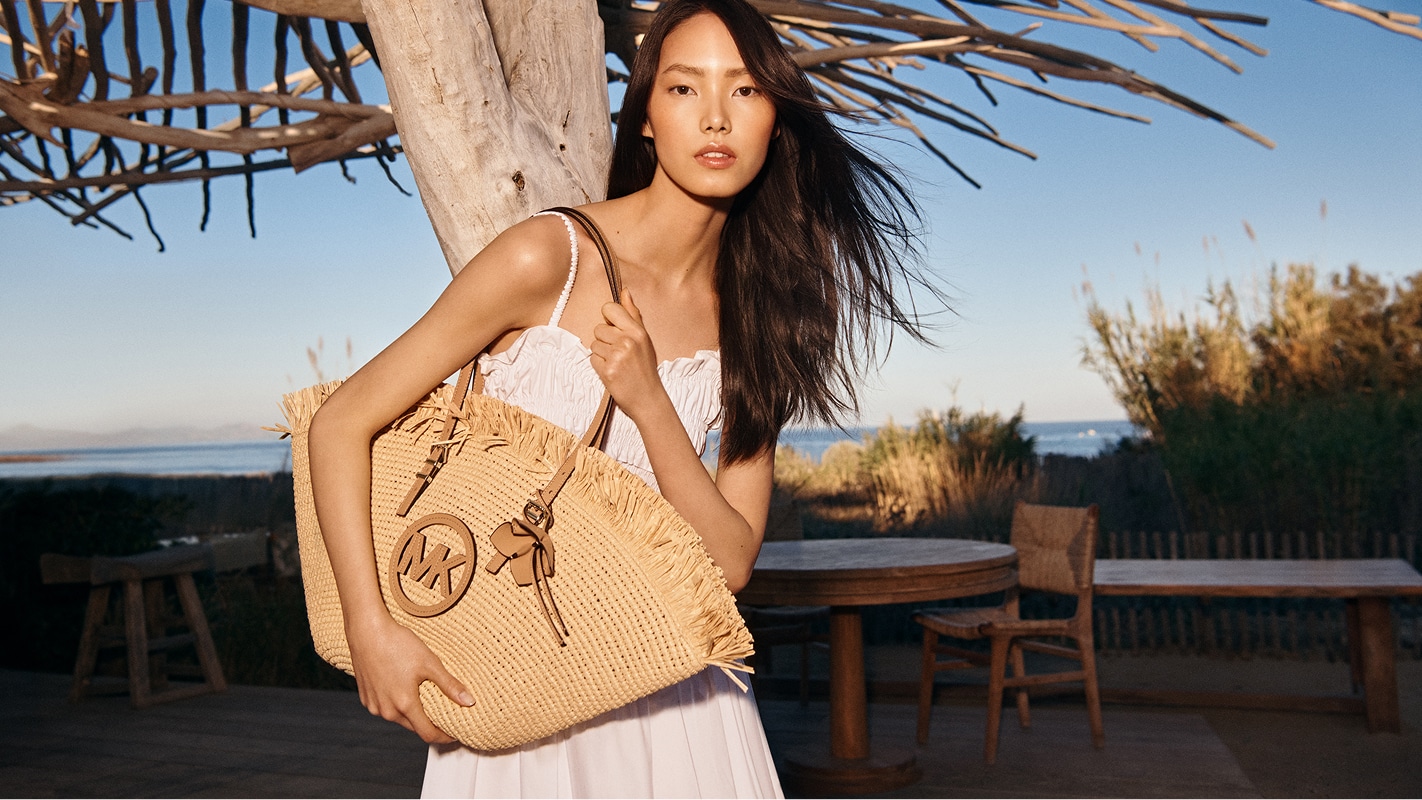
Women’s dresses are a core category designed to support a wide range of settings, from casual daytime wear to more structured occasions. This category includes fitted, relaxed, and flowing silhouettes that adapt to different preferences and environments. Fabrics vary from lightweight materials for warm conditions to more structured options that hold shape and provide coverage. Dresses can be styled with layers from jackets and coats or paired with accessories like women’s handbags for a complete look. Defined by one-piece construction, dresses simplify outfit planning while offering flexibility in styling.
Dresses are defined by fabric, cut, and construction, all of which influence comfort and overall appearance. Common materials include cotton, synthetic blends, and knit fabrics that provide breathability, stretch, or structure depending on the design. Within the broader dresses category, features such as adjustable waistlines, lining, and sleeve variations contribute to fit and functionality. Styling with footwear like pumps and heels can shift a dress from casual to formal use. Understanding fabric weight and drape helps determine how a dress will perform across different settings.
Choosing the right dress depends on factors such as occasion, climate, and preferred fit. Lightweight dresses are suitable for warm weather or travel, while more structured styles work well for professional or formal environments. Fit options range from tailored cuts that define shape to relaxed silhouettes that allow ease of movement. Evaluating sleeve length, hemline, and fabric type can improve comfort and usability. Selecting neutral tones or adaptable prints can increase styling versatility across different outfits.
Dresses that transition between casual and formal settings typically feature simple silhouettes, neutral colors, and minimal detailing. A-line and sheath dresses are common options that can be styled differently depending on accessories and footwear. Lightweight fabrics can be dressed down for daytime wear, while structured materials can create a more formal appearance. Pairing with heels can elevate the look, while flat shoes or minimal accessories create a more relaxed style. Choosing adaptable designs increases versatility.
Dresses designed for travel focus on lightweight fabrics, wrinkle resistance, and versatility. Knit and synthetic blend dresses are often easier to pack, as they resist creasing and maintain shape. Simple silhouettes that can be styled in multiple ways reduce the need for additional clothing items. Sleeveless or short-sleeve designs can be layered with outerwear when needed. Selecting compact, flexible materials improves packing efficiency and overall convenience.
Dresses are commonly made from materials such as cotton, polyester blends, and knit fabrics, each offering different benefits. Cotton provides breathability and comfort, making it suitable for warm conditions. Polyester blends can improve durability and reduce wrinkling, which is useful for travel or daily wear. Knit fabrics offer stretch and flexibility, supporting ease of movement. Fabric choice affects how a dress feels, fits, and performs in different environments.
Dress care depends on the material and construction of the garment. Cotton and many synthetic blends can be machine washed, while delicate fabrics may require gentle cycles or hand washing. Avoiding high heat during drying helps preserve fabric structure and prevents shrinkage. Hanging or folding dresses properly can maintain shape and reduce wrinkles. Following care instructions ensures longer-lasting wear and consistent appearance.
Dress silhouettes determine how a garment fits the body and how it can be styled. Fitted silhouettes follow the natural shape, creating a more structured look suitable for formal settings. Relaxed or loose silhouettes provide comfort and are often used for casual wear or travel. A-line shapes offer balance by defining the waist and allowing movement through the skirt. Understanding silhouette differences helps in selecting dresses that align with both comfort and styling preferences.